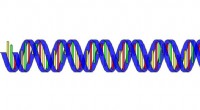
* DNA: This is the molecule that carries the genetic information. It's structured like a twisted ladder (double helix) with the "rungs" made of four chemical bases: adenine (A), thymine (T), guanine (G), and cytosine (C). The specific sequence of these bases determines the genetic code.
* Genes: These are segments of DNA that contain the instructions for building specific proteins, which carry out most of the functions in our body. Each gene has a specific location on a chromosome.
* Chromosomes: These are long, thread-like structures that contain the DNA organized into units. Humans have 23 pairs of chromosomes (46 total), with one chromosome from each pair coming from the mother and the other from the father.
Why is the genome important?
* Inheritance: Our genome is passed down from our parents, giving us our unique traits and predispositions.
* Development and Function: The genes in our genome provide the instructions for building and maintaining all the cells and tissues in our body, from our brains to our bones.
* Health: Variations in our genome can influence our susceptibility to certain diseases and our response to medications.
It's important to remember:
* Every individual (except identical twins) has a unique genome.
* The genome is constantly being studied to understand the complexities of life and develop new treatments for diseases.
Let me know if you have any other questions!