1. Amino Acid Diversity:
* 20 Unique Building Blocks: Proteins are built from 20 different amino acids, each with unique chemical properties. This diverse toolkit allows for a vast array of potential combinations.
* Side Chain Variations: Each amino acid has a unique "side chain" that influences its interactions with other amino acids and the surrounding environment. These interactions drive protein folding and contribute to its final structure.
2. Folding and Conformation:
* Dynamic Process: Protein folding is not a static process but a dynamic one. The polypeptide chain constantly explores different conformations, searching for the most stable arrangement.
* Non-covalent Interactions: The final structure is stabilized by weak non-covalent interactions, including hydrogen bonds, ionic bonds, van der Waals forces, and hydrophobic interactions. These interactions are constantly fluctuating, allowing for some flexibility in the protein's structure.
3. Functional Requirements:
* Specificity and Diversity: The complex structure of a protein dictates its function. The specific arrangement of amino acids, including their side chains and interactions, determines the protein's binding sites, catalytic activity, and interactions with other molecules.
* Adaptability: The complexity allows proteins to adapt to changing environments and perform a vast array of functions, from catalyzing reactions to transporting molecules and providing structural support.
4. Levels of Structure:
* Primary Structure: The sequence of amino acids in a protein. This linear sequence determines all subsequent levels of structure.
* Secondary Structure: Local folding patterns within the polypeptide chain, such as alpha-helices and beta-sheets. These structures are stabilized by hydrogen bonding between backbone atoms.
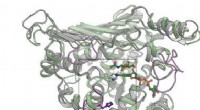
* Tertiary Structure: The overall three-dimensional shape of a single polypeptide chain. It arises from interactions between side chains of amino acids, forming domains and folds.
* Quaternary Structure: The arrangement of multiple polypeptide chains (subunits) into a functional protein complex.
5. Chaperones and Folding Pathways:
* Assisting Folding: Proteins don't fold spontaneously. Cellular chaperones help guide the folding process, preventing misfolding and aggregation.
* Multiple Folding Pathways: There can be multiple pathways for protein folding, and the environment can influence the final structure.
In essence, the complex structure of a protein is a result of a delicate balance between the chemical properties of its constituent amino acids, the forces that drive its folding, and the functional requirements it must meet. This complexity is what allows proteins to perform a multitude of essential tasks in living organisms.