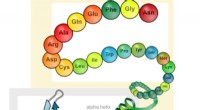
Here are some key points about biota:
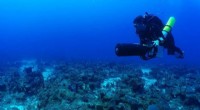
* Scope: Biota can be very broad, covering the entirety of life on Earth, or very specific, focusing on a particular ecosystem like a coral reef or a forest.
* Diversity: The diversity of biota varies greatly depending on factors such as climate, geography, and environmental conditions.
* Importance: Understanding the biota of a region is crucial for conservation efforts, ecological research, and managing human impact on the environment.
Here are some examples of how "biota" is used:
* "The biota of the Amazon rainforest is incredibly diverse, containing millions of species."
* "The biota of the Paleozoic era was drastically different from what we see today."
* "Scientists are studying the impact of pollution on the biota of the Great Barrier Reef."
In essence, "biota" is a collective term for all the living things within a defined space or time.