Basic Requirements:
* Food: Parasites often rely on their host's body fluids, tissues, or ingested food for nourishment. They may have specialized structures or mechanisms to access these resources.
* Shelter: A stable environment is essential for survival. This can be within the host's body (e.g., intestines, blood), on the host's surface (e.g., skin), or even within the host's cells.
* Temperature: Parasites have an optimal temperature range for growth and reproduction. This often matches the host's internal temperature.
Specific Requirements:
* Host immune system: Some parasites evolve mechanisms to evade or suppress the host's immune response, allowing them to thrive.
* Host physiology: Some parasites are highly specific to a particular host species or even a specific organ within the host.
* Life cycle: Many parasites have complex life cycles that may involve multiple hosts. They require specific conditions for each stage of their development.
* Environmental factors: Some parasites may be influenced by external factors like humidity, light, or availability of intermediate hosts.
Examples:
* Tapeworms: They live in the intestines of their host, absorbing nutrients directly from digested food.
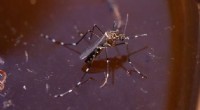
* Malaria parasites: These single-celled organisms live inside red blood cells, where they reproduce and spread through mosquito bites.
* Fleas: They are external parasites that feed on blood and lay their eggs on their host.
It's important to note:
* Parasitism is a complex relationship where the parasite benefits at the expense of the host.
* Parasites can cause a range of health problems for their hosts, ranging from mild discomfort to serious illness or even death.
Let me know if you'd like to know more about specific types of parasites or how they affect their hosts!