Here's a breakdown:
* Viruses: Some consider viruses to be the smallest entities capable of replication. However, they lack many characteristics considered essential for life, like being able to produce their own energy or have a cellular structure. So, they aren't often included in the "organism" category.
* Bacteria: The smallest known bacteria are about 0.2 micrometers in diameter. They are single-celled organisms with all the necessary components for life.
* Mycoplasma: These bacteria are particularly small, with some species measuring just 0.1 micrometers in diameter.
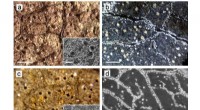
* Nanobacteria: Some scientists have claimed to find even smaller bacteria, called nanobacteria, but their existence is still highly controversial.
Therefore, depending on your definition of "organism", the answer could be a bacterium, a Mycoplasma, or even a disputed nanobacterium.
It's important to remember that the field of biology is constantly evolving, and new discoveries are made all the time. So, the answer to this question may change in the future!