Here's a breakdown:
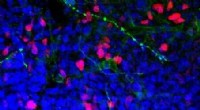
* Nucleus: The nucleus is the control center of the cell and contains the majority of the cell's DNA. This DNA is organized into chromosomes.
* Mitochondria: Mitochondria, often referred to as the "powerhouses" of the cell, also have their own DNA. This is called mitochondrial DNA (mtDNA). It's a circular molecule, separate from the nuclear DNA, and plays a crucial role in mitochondrial function.
* Chloroplasts: In plant cells, chloroplasts (responsible for photosynthesis) also have their own DNA, called chloroplast DNA (cpDNA). It's also circular and separate from nuclear and mitochondrial DNA.
So, while the nucleus is the primary location for DNA, it's important to remember that mitochondria and chloroplasts also contain their own unique DNA molecules.