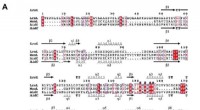
* DNA and Genes: Both humans and yeasts use DNA as their genetic material and share a significant number of genes. This means we have common ancestors and that many essential biological processes are conserved.
* Cellular Processes: Many fundamental cellular processes are remarkably similar, including:
* Cellular Respiration: Both use the same basic process for generating energy from food.
* Protein Synthesis: Both translate DNA into proteins using the same genetic code.
* Cell Cycle Regulation: Both have mechanisms for regulating cell division.
* Similar Protein Function: Many proteins in humans and yeast have similar functions, making yeast a valuable model organism for studying human biology and disease.
* Shared Evolutionary History: Both humans and yeasts belong to the domain Eukarya, meaning they share a common ancestor. This shared ancestry explains the similarities in their cellular organization and basic biological processes.
Why Yeast is Important for Research:
* Simple Model Organism: Yeast has a relatively simple genome and cellular structure, making it easier to study than humans.
* Fast Reproduction: Yeast reproduces quickly, allowing researchers to study multiple generations in a short time.
* Genetic Manipulation: It's relatively easy to manipulate yeast genes, which allows scientists to test the effects of different genes on cellular processes.
In summary: Humans and yeasts share a significant amount of genetic material and cellular processes, making yeast an important model organism for studying human biology and disease.