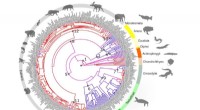
* All living organisms are related and share a common ancestor.
* Evolution occurs through a gradual process of change over generations.
* Natural selection is the driving force of evolution.
Here's how natural selection works in the context of human evolution:
1. Variation: Humans, like all species, exhibit genetic variation. This means individuals have slightly different traits, such as variations in height, skin color, or disease resistance.
2. Inheritance: These variations are passed down from parents to offspring.
3. Survival and Reproduction: Individuals with traits that make them better suited to their environment (e.g., stronger immune systems, better hunting skills) are more likely to survive and reproduce, passing those traits on to their children.
4. Differential Reproduction: Over time, individuals with advantageous traits will have more offspring, leading to a gradual shift in the overall population towards those traits.
Evidence supporting human evolution:
* Fossil evidence: Fossil records document the gradual changes in human anatomy over millions of years, from early hominids like Australopithecus to modern humans.
* Genetic evidence: Comparative DNA studies reveal the close genetic relationships between humans and other primates, and the gradual accumulation of genetic mutations over time.
* Anatomical evidence: Humans share many anatomical features with other primates, such as the five-fingered hand, a large brain-to-body size ratio, and the ability to walk upright.
* Behavioral evidence: Modern humans share many social behaviors and cognitive abilities with other primates, such as complex communication, tool use, and social cooperation.
Key milestones in human evolution:
* Bipedalism: Walking upright on two legs, freeing up hands for tool use and carrying.
* Increased brain size: Larger brains allowed for more complex thinking and problem-solving abilities.
* Development of language: Communication through language enabled more complex social interactions and the sharing of knowledge.
* Tool use and technology: The ability to create and use tools led to the development of advanced technology.
It's important to note that the theory of evolution is constantly evolving as new evidence emerges. However, the basic principles of natural selection provide a robust framework for understanding the history of human evolution.