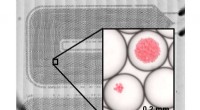
1. Red Biotechnology (Medical Biotechnology): This area focuses on applying biotechnology for health-related applications, including:
* Pharmaceuticals: Developing and manufacturing drugs, vaccines, and therapies for various diseases.
* Medical Diagnostics: Creating tools for disease diagnosis, such as DNA tests, genetic screening, and imaging techniques.
* Biomedical Engineering: Developing medical devices, prosthetics, tissue engineering, and regenerative medicine.
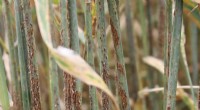
2. Green Biotechnology (Agricultural Biotechnology): This area utilizes biotechnology to enhance agricultural practices, such as:
* Genetically Modified Organisms (GMOs): Creating crops with improved traits like pest resistance, increased yield, and enhanced nutrient content.
* Biopesticides: Developing natural pest control agents from microorganisms or plant extracts.
* Biofertilizers: Improving soil fertility and nutrient uptake in plants using microbial inoculants.
3. White Biotechnology (Industrial Biotechnology): This area focuses on applying biotechnology in industrial processes, including:
* Biofuels: Producing fuels like ethanol and biodiesel from renewable resources.
* Biomaterials: Developing sustainable materials from biological sources for various industrial applications.
* Bioremediation: Utilizing microorganisms to clean up pollution and environmental contamination.
4. Blue Biotechnology (Marine Biotechnology): This area explores the potential of marine organisms and resources for biotechnology applications, such as:
* Aquaculture: Developing sustainable aquaculture practices for seafood production.
* Marine Pharmaceuticals: Extracting valuable compounds from marine organisms for drug development.
* Marine Bioremediation: Utilizing marine microbes for cleaning up marine pollution.
It's important to note that these are overlapping areas and the boundaries are not always clear-cut. For example, genetic engineering techniques used in "green biotechnology" for crop improvement are also applied in "red biotechnology" for developing gene therapies. Similarly, research on biofuel production (white biotechnology) often involves studying microorganisms found in marine environments (blue biotechnology).
The interconnected nature of biotechnology makes it an exciting and rapidly evolving field with immense potential to solve global challenges in health, agriculture, environment, and industry.