Evolution is the gradual change in the genetic makeup of a population over time.
Here's a breakdown of the key elements:
* Gradual change: Evolution happens over many generations, not overnight.
* Genetic makeup: The changes occur in the genes, the units of heredity that determine an organism's traits.
* Population: Evolution affects a group of organisms, not an individual.
* Time: Evolution takes place over long periods, from thousands to millions of years.
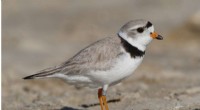
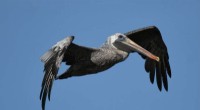
Here's a simple analogy: Imagine a group of birds with varying beak sizes. If a drought hits and only the birds with larger, stronger beaks can crack open tough seeds for food, those birds will survive and reproduce. Over time, the population will have more birds with larger beaks, demonstrating evolution.
In short, evolution is the process of life changing and adapting to its environment. It's a powerful force that has shaped all life on Earth, from the smallest bacteria to the largest whales.
Important points:
* Natural selection: This is the driving force behind evolution. Organisms with traits better suited to their environment are more likely to survive and reproduce, passing those traits on to their offspring.
* Random mutations: These are changes in DNA that can lead to new traits. Some mutations are beneficial, some are harmful, and some have no effect.
* Evolution is not a goal-oriented process: It's a response to the environment, not a plan to achieve a specific outcome.
Understanding evolution is crucial to understanding life on Earth and how it has evolved over millions of years. It's a complex and fascinating topic that continues to be studied and explored by scientists today.