Here's how it works:
* Attracting Animals: Fruits are often brightly colored, fragrant, and juicy. This attracts animals who eat the fruit.
* Seed Protection: The fleshy fruit protects the seeds from damage during ingestion and travel through the animal's digestive system.
* Seed Transportation: The animal, after eating the fruit, moves away from the parent plant and deposits the seeds in a new location through their droppings. This helps to spread the plant's offspring to new areas.
Benefits of Seed Dispersal:
* Reduced Competition: By spreading seeds far and wide, plants avoid overcrowding and competition for resources like sunlight, water, and nutrients.
* Increased Genetic Diversity: When seeds are dispersed to different locations, they are exposed to different environments and can develop new traits, leading to greater genetic diversity within the plant species.
* Colonization of New Habitats: Seed dispersal allows plants to colonize new habitats and expand their range.
Examples:
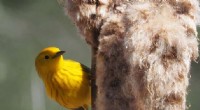
* Birds: Love berries and cherries, which are dispersed through their droppings.
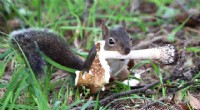
* Mammals: Like squirrels and foxes, bury nuts and seeds, sometimes forgetting about them, allowing them to germinate.
* Wind: Can carry lightweight seeds, like dandelion seeds, to new locations.
* Water: Can carry seeds like coconuts to distant shores.
In short, fruits are a clever evolutionary strategy that plants have developed to ensure the survival and success of their offspring.