Bioinformatics, a field that blends biology, computer science, and statistics, has a relatively recent history but a profound impact on modern biological research. Here's a timeline of its key milestones:
Early Days (1960s-1980s):
* 1960s: The concept of "computational biology" emerges, focusing on mathematical models of biological processes.
* 1970s: The development of protein sequence databases like the "Protein Data Bank" (PDB) marks the first steps towards storing and analyzing biological data.
* 1980s: The development of the first DNA sequencing techniques, like Sanger sequencing, leads to a dramatic increase in available genetic information.
The Birth of Bioinformatics (1990s):
* 1990: The Human Genome Project (HGP) begins, aiming to map the entire human genome. This ambitious project necessitates the development of sophisticated tools for data analysis and storage.
* 1995: The first complete genome of a free-living organism, *Haemophilus influenzae*, is sequenced.
* 1998: The first commercial bioinformatics company, Incyte Genomics, is established.
The Bioinformatics Boom (2000s-Present):
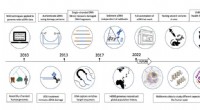
* 2000: The first draft of the human genome is published, marking a major milestone in bioinformatics history.
* 2003: The HGP completes the sequencing of the human genome, leading to a surge in genomic research and the availability of massive datasets.
* 2000s onwards: Rapid advancements in sequencing technologies, such as Next-Generation Sequencing (NGS), generate vast amounts of biological data, fueling the development of increasingly sophisticated bioinformatics tools and algorithms.
* 2010s-Present: The rise of high-throughput technologies, including microarrays, RNA sequencing, and proteomics, further expands the realm of bioinformatics.
* Present: Bioinformatics plays a critical role in diverse applications, such as drug discovery, personalized medicine, disease diagnostics, and environmental monitoring.
Key Contributors:
* Margaret Dayhoff: Pioneer in protein sequence analysis and creator of the first comprehensive protein database.
* Walter Goad: Developed the first computer program for analyzing protein structures.
* David Lipman: Contributed significantly to the development of sequence alignment algorithms and bioinformatics databases.
* Samuel Karlin: Pioneered the use of statistical methods in bioinformatics, developing algorithms for sequence comparisons and phylogenetic analysis.
Looking Ahead:
The field of bioinformatics continues to evolve rapidly, driven by advancements in artificial intelligence (AI), machine learning, and cloud computing. Future developments are expected to focus on:
* Big data analysis: Handling and interpreting massive biological datasets.
* Predictive modeling: Using AI to predict disease risk, drug efficacy, and biological interactions.
* Personalized medicine: Tailoring medical treatments based on individual genetic profiles.
Bioinformatics has transformed the way we understand and interact with biological systems. With its ever-expanding reach and impact, it will likely continue to be a cornerstone of scientific discovery in the 21st century.