Here's why:
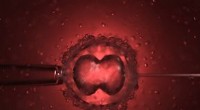
* Organisms with simple organization: Single-celled organisms (like bacteria and amoeba) and some very simple multicellular organisms (like sponges) lack true organs and organ systems. They perform all necessary life functions within the confines of a single cell or a few specialized cells.
* Organ system complexity: As organisms become more complex, they develop specialized organs and organ systems to carry out specific functions. These systems work together to maintain the organism's life.
Here's a simplified breakdown:
* Single-celled organisms: No organs or organ systems
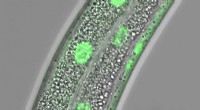
* Simple multicellular organisms: May have specialized cells, but no true organs or organ systems.
* Complex multicellular organisms (plants and animals): Possess multiple organ systems, each with specific functions that contribute to the overall survival and well-being of the organism.
Examples:
* Bacteria: Single-celled, no organ systems
* Sponges: Simple multicellular, no true organs
* Humans: Complex multicellular, with multiple organ systems (digestive, respiratory, circulatory, etc.)
* Trees: Complex multicellular, with organ systems (roots, stems, leaves)
Let me know if you have any other questions!