1. Genetics:
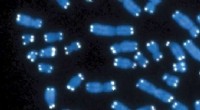
* DNA: The cell's DNA contains the genetic instructions for building and maintaining the cell. Specific genes are activated or silenced in different cell types, leading to the production of different proteins and ultimately different functions.
* Epigenetics: Modifications to DNA and its associated proteins can influence gene expression without altering the underlying DNA sequence. This plays a crucial role in determining cell fate and function.
2. Environmental Factors:
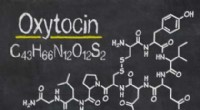
* Signals from other cells: Cells communicate with each other through chemical signals, such as hormones and growth factors. These signals can activate or deactivate specific genes, influencing cell behavior and function.
* Physical environment: The physical environment, such as the presence of oxygen, nutrients, or physical stress, can also influence gene expression and cell function.
* Interactions with other cells: Cells can interact with each other through direct contact or through the release of signaling molecules. These interactions can play a crucial role in determining cell fate and function.
3. Cell History:
* Developmental lineage: Cells inherit characteristics from their parent cells during development. This lineage determines the cell's potential and limits its range of possible functions.
* Previous exposure: A cell's past experiences, such as exposure to specific signals or environmental conditions, can also shape its function.
In summary, a cell's job is determined by a complex interplay of its genetic makeup, environmental factors, and its history. This interplay results in a diverse array of specialized cell types that perform specific functions within the body.
Here are some examples:
* Nerve cells: Specialized for transmitting electrical signals throughout the body.
* Muscle cells: Specialized for contraction and movement.
* Red blood cells: Specialized for transporting oxygen throughout the body.
* Skin cells: Specialized for protecting the body from the environment.
These are just a few examples of the many specialized cell types that make up our bodies. Each cell type has a unique job, and these jobs work together to maintain the health and function of the organism.