Here's a breakdown of the concept:
* Genes and Evolution: Genes are the basic units of heredity, responsible for carrying traits from parents to offspring. Evolution is the process of gradual change in the genetic makeup of a population over time.
* Natural Selection: The primary driving force of evolution is natural selection. This means that individuals with traits that make them better suited to their environment are more likely to survive and reproduce, passing on those advantageous traits to their offspring.
* Survival and Reproduction: A "survival gene" would code for a trait that helps an organism survive:
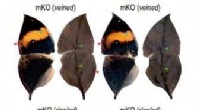
* Avoiding predators: Camouflage, speed, agility, poisonous defenses.
* Finding food: Keen senses, efficient digestion, adaptability to different food sources.
* Withstanding harsh environments: Disease resistance, tolerance to extreme temperatures, ability to access water.
* Reproductive Success: A survival gene can also contribute to reproductive success:
* Attracting mates: Bright colors, elaborate courtship displays, strong scent.
* Raising offspring: Nurturing behavior, ability to provide for young.
Important Notes:
* Not a single gene: There is no single gene that guarantees survival. Survival is a complex interplay of many genes and environmental factors.
* Context matters: A gene that is beneficial in one environment might be harmful in another.
* Evolution is ongoing: The genes that are considered "survival genes" today might not be in the future, as environments and selective pressures constantly change.
In essence, a "survival gene" represents a genetic advantage that gives an organism a better chance of surviving and passing its genes to the next generation. This is the foundation of how evolution works and how life adapts to its surroundings.