Biotic Factors
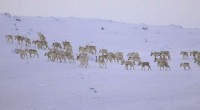
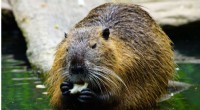
* Definition: Living organisms or the parts of living organisms.
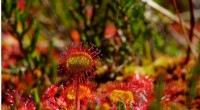
* Examples: Plants, animals, fungi, bacteria, insects, humans, leaves, feathers, etc.
* Characteristics:
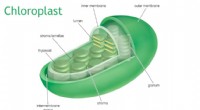
* Organized: Complex structures with cells as the basic unit.
* Grow and develop: Increase in size and complexity over time.
* Reproduce: Create new organisms of the same kind.
* Respond to stimuli: React to changes in their environment.
* Require energy: Obtain energy through processes like photosynthesis (plants) or eating (animals).
* Adapt and evolve: Change over time in response to environmental pressures.
Abiotic Factors
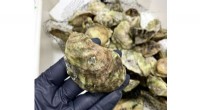
* Definition: Non-living components of an environment.
* Examples: Water, air, sunlight, temperature, rocks, soil, minerals, etc.
* Characteristics:
* Not composed of cells: Lack the basic building blocks of life.
* Do not grow or develop: Remain relatively unchanged over time.
* Do not reproduce: Cannot create new organisms.
* Do not require energy: Don't engage in metabolic processes.
The Interplay:
Biotic and abiotic factors are interconnected. Living organisms rely on abiotic factors for survival (e.g., plants need sunlight and water). Abiotic factors are also influenced by biotic factors (e.g., plants release oxygen into the air).
Think of it this way: Imagine an ecosystem like a forest.
* Biotic: The trees, squirrels, birds, and fungi are all biotic factors.
* Abiotic: The sunlight, soil, water, and rocks are all abiotic factors.
The forest wouldn't exist without both biotic and abiotic components working together!