C₆H₁₂O₆ + 6O₂ → 6CO₂ + 6H₂O + ATP (energy)
This means:
* Glucose (C₆H₁₂O₆), a simple sugar, is broken down in the presence of oxygen (O₂)
* This produces carbon dioxide (CO₂) and water (H₂O) as byproducts.
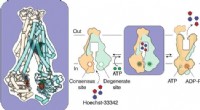
* The process also generates adenosine triphosphate (ATP), which is the primary energy currency of cells.
Breakdown of the process:
Aerobic respiration occurs in four main stages:
1. Glycolysis: Glucose is broken down into pyruvate in the cytoplasm. This produces a small amount of ATP.
2. Pyruvate oxidation: Pyruvate is converted to acetyl-CoA, which enters the mitochondria.
3. Citric acid cycle (Krebs cycle): Acetyl-CoA is further oxidized, generating more ATP, NADH, and FADH₂.
4. Electron transport chain: Electrons from NADH and FADH₂ are passed along a series of protein complexes, releasing energy that is used to pump protons across the mitochondrial membrane. This creates a proton gradient that is used to generate ATP.
Important notes:
* This is a simplified representation of the complex series of reactions involved in cellular respiration.
* The energy released during respiration is not all captured as ATP. Some energy is lost as heat.
* The actual number of ATP molecules produced per glucose molecule varies depending on the efficiency of the process.
Let me know if you'd like to know more about any of the stages of aerobic respiration!