Here's a breakdown of the theory:
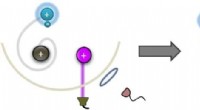
* Endosymbiosis: This is the theory that eukaryotic cells arose from a symbiotic relationship between different prokaryotic cells. One prokaryote engulfed another, but instead of digesting it, the engulfed cell remained and eventually became a part of the larger cell. This engulfed cell then became an organelle within the larger cell.
* Mitochondria and Chloroplasts: The most compelling evidence for endosymbiosis is the presence of mitochondria and chloroplasts in eukaryotic cells. These organelles have their own DNA, which is circular and resembles prokaryotic DNA. They also have their own ribosomes, which are similar to those found in bacteria. This suggests that mitochondria and chloroplasts were once free-living prokaryotic cells that were engulfed by larger cells.
* Evolutionary Steps: While the exact steps of this process are still being debated, scientists believe it happened in stages:
* First step: An ancestral prokaryotic cell engulfed a bacterium that could perform aerobic respiration (use oxygen to generate energy). This bacterium evolved into the mitochondria, the energy powerhouse of eukaryotic cells.
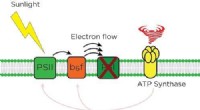
* Second step: Some of these early eukaryotic cells then engulfed a photosynthetic bacterium. This bacterium evolved into the chloroplast, the organelle responsible for photosynthesis in plants and algae.
Other evidence supporting the endosymbiotic theory:
* Membrane structure: Both mitochondria and chloroplasts have double membranes, which supports the idea that they were once separate cells with their own membranes.
* Genome size: The genomes of mitochondria and chloroplasts are much smaller than the nuclear genome of eukaryotic cells, indicating they are simplified versions of prokaryotic genomes.
* Reproduction: Mitochondria and chloroplasts replicate independently of the eukaryotic cell through binary fission, similar to how prokaryotes reproduce.
While the endosymbiotic theory is widely accepted, there are still some aspects that are not fully understood. However, the evidence strongly suggests that eukaryotic cells evolved from prokaryotic ancestors through a series of complex and fascinating events.