Descriptions and illustrations are essential tools for understanding and communicating information about organisms. They provide a visual and textual representation of an organism's:
1. Morphology:
* External features: Size, shape, color, patterns, appendages, and other external characteristics.
* Internal anatomy: Organ systems, tissues, and structures visible through dissection or microscopy.
* Physiological features: Functional aspects like movement, feeding, reproduction, and adaptations.
2. Taxonomy:
* Classification: Hierarchical system of grouping organisms based on shared characteristics.
* Scientific name: Unique binomial nomenclature (Genus species) for each species.
3. Ecology:
* Habitat: The natural environment where the organism lives.
* Interactions: Relationships with other organisms (predation, competition, symbiosis).
* Life cycle: Stages of development from birth to death.
Illustrations:
* Drawings: Hand-drawn representations that can be highly detailed and accurate.
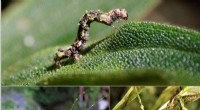
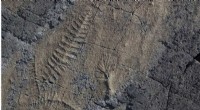
* Photographs: Capture the organism in its natural habitat or in a controlled environment.
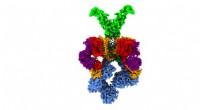
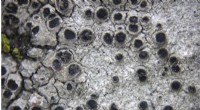
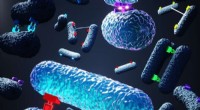
* Microscopic images: Reveal the internal structures and cells of organisms.
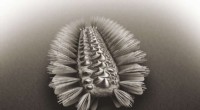
* Diagrams: Simplified visual representations of key features or processes.
Descriptions:
* Textual descriptions: Detailed accounts of morphology, taxonomy, ecology, and behavior.
* Scientific publications: Peer-reviewed articles that provide in-depth analysis and research findings.
* Field guides: Portable resources for identifying organisms in the field.
Examples:
* Field guide to birds: Contains illustrations and descriptions of various bird species, including their plumage, beak shape, habitat, and calls.
* Botanical illustration: Artistic representations of plants, highlighting their unique features and structures.
* Scientific paper on a new insect species: Includes detailed anatomical descriptions, photographs, and phylogenetic analysis.
Importance:
* Identification and classification: Accurate descriptions and illustrations help distinguish between species.
* Communication and education: Visuals make complex information easier to understand and share.
* Research and conservation: Data on morphology, ecology, and distribution is crucial for studying and protecting biodiversity.
Challenges:
* Subjectivity: Illustrations can be influenced by the artist's perspective and interpretation.
* Limited detail: Descriptions and illustrations may not capture all aspects of an organism.
* Time-consuming: Creating detailed descriptions and illustrations can be a lengthy process.
Despite these challenges, descriptions and illustrations are invaluable tools for studying, understanding, and communicating information about the incredible diversity of life on Earth.