Proteins are large, complex molecules that are essential for life. They are made up of chains of amino acids linked together by peptide bonds. These chains fold into specific three-dimensional structures, which determine the protein's function.
Here's a breakdown of what proteins do:
* Building blocks: They are the building blocks of cells, tissues, and organs.
* Enzymes: They act as catalysts to speed up chemical reactions.
* Hormones: They act as chemical messengers that regulate various bodily functions.
* Antibodies: They help the immune system fight infections.
* Structural support: They provide shape and support to cells and tissues.
* Transport: They carry molecules, such as oxygen, throughout the body.
* Storage: They store nutrients and energy.
The monomer of a protein is an amino acid. There are 20 different types of amino acids commonly found in proteins. Each amino acid has a central carbon atom bonded to:
* An amino group (-NH2)
* A carboxyl group (-COOH)
* A hydrogen atom (-H)
* A side chain (R group)
The R group is what differentiates one amino acid from another. Some R groups are hydrophobic (water-repelling), while others are hydrophilic (water-attracting). This diversity in R groups allows for a wide range of protein structures and functions.
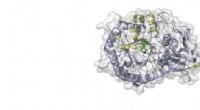
Imagine amino acids like beads on a string. These beads (amino acids) are linked together by peptide bonds to form a long chain (polypeptide). This chain then folds into a specific 3D structure, which is stabilized by various interactions between amino acids. This unique structure dictates the protein's function.
Therefore, understanding amino acids and how they interact is crucial for understanding the complexity and diversity of proteins.