Genetic evolution is the process by which the genetic makeup of a population changes over generations. It's the driving force behind the incredible diversity of life on Earth, from microscopic bacteria to towering redwoods.
Here's a breakdown:
1. The Building Blocks:
* Genes: Segments of DNA that carry the instructions for building and maintaining an organism.
* Mutations: Random changes in DNA sequences, often introduced during DNA replication. Some mutations are harmful, some neutral, and some beneficial.
* Alleles: Different versions of the same gene. For example, the gene for eye color can have alleles for brown, blue, or green eyes.
2. The Mechanisms:
* Natural Selection: The process by which individuals with traits better suited to their environment survive and reproduce more successfully, passing on those advantageous traits to their offspring.
* Genetic Drift: Random fluctuations in allele frequencies within a population, particularly in smaller populations.
* Gene Flow: The movement of genes between populations through migration and interbreeding, introducing new genetic variation.
3. The Result:
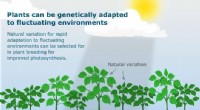
* Adaptation: Over time, populations evolve to become better suited to their environment through natural selection.
* Speciation: The process by which new species arise from existing ones, often due to isolation and genetic divergence.
4. The Timeline:
* Genetic evolution happens over long periods, often spanning thousands or millions of years.
* The rate of evolution can vary depending on factors like population size, environmental changes, and the strength of selection.
5. Examples:
* Antibiotic Resistance: Bacteria evolving resistance to antibiotics through mutations that make them less susceptible to the drug's effects.
* Darwin's Finches: A famous example of adaptive radiation, where different species of finches on the Galapagos Islands evolved unique beak shapes suited to their specific food sources.
In essence, genetic evolution is a continuous process of change driven by random mutations, natural selection, and other factors. It's a testament to the dynamic nature of life and the intricate interplay between genes and the environment.