Specifically, the type of pilus involved in DNA transfer is called a sex pilus or conjugation pilus. This pilus is a hollow tube that connects two bacterial cells, allowing the transfer of genetic material from one cell (the donor) to the other (the recipient).
Here's a breakdown:
* Pili: These are hair-like appendages found on the surface of some bacteria. They have various functions, including attachment to surfaces, motility, and DNA transfer.
* Sex pili: These are specialized pili involved in conjugation, a process of horizontal gene transfer where genetic material is passed from one bacterium to another.
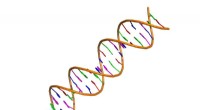
* Conjugation: This process involves the formation of a bridge (via the sex pilus) between two bacteria. The donor bacterium replicates a portion of its DNA and sends it through the pilus to the recipient bacterium. This allows the recipient to gain new genetic information, which can provide advantages like antibiotic resistance or the ability to utilize new food sources.
Let me know if you have any other questions!