Major Systems
* Skeletal System:
* Bones: The framework of the body, providing support, protection, and allowing movement.
* Cartilage: A flexible connective tissue found in joints, ears, and nose.
* Joints: Connections between bones that allow movement.
* Ligaments: Strong, fibrous tissue connecting bones to other bones.
* Muscular System:
* Muscles: Tissues that contract and relax, allowing movement and other functions.
* Skeletal muscles: Attached to bones, responsible for voluntary movement.
* Smooth muscles: Found in internal organs, responsible for involuntary movement.
* Cardiac muscle: Found in the heart, responsible for pumping blood.
* Nervous System:
* Brain: The control center of the body, responsible for thoughts, feelings, and actions.
* Spinal Cord: A bundle of nerves that connects the brain to the rest of the body.
* Nerves: Bundles of fibers that transmit signals throughout the body.
* Sensory organs: Organs like eyes, ears, nose, tongue, and skin that detect stimuli.
* Circulatory System:
* Heart: A muscular organ that pumps blood throughout the body.
* Blood Vessels: A network of tubes that carry blood.
* Arteries: Carry oxygenated blood away from the heart.
* Veins: Carry deoxygenated blood back to the heart.
* Capillaries: Tiny vessels that connect arteries and veins.
* Blood: A fluid that transports oxygen, nutrients, and waste.
* Respiratory System:
* Lungs: Organs that exchange oxygen and carbon dioxide with the blood.
* Trachea: The airway that carries air to the lungs.
* Bronchi: Two tubes that branch off from the trachea and lead to the lungs.
* Digestive System:
* Mouth: Where food enters the body.
* Esophagus: A tube that connects the mouth to the stomach.
* Stomach: A muscular organ that breaks down food.
* Small Intestine: The main site of nutrient absorption.
* Large Intestine: Absorbs water and forms waste.
* Rectum: Stores waste before it's eliminated.
* Excretory System:
* Kidneys: Filter waste products from the blood.
* Ureters: Carry urine from the kidneys to the bladder.
* Bladder: Stores urine.
* Urethra: A tube that carries urine from the bladder to the outside of the body.
* Endocrine System:
* Glands: Organs that produce hormones, which regulate various bodily functions.
* Pituitary gland: The "master gland" that controls other glands.
* Thyroid gland: Regulates metabolism.
* Adrenal glands: Produce hormones like adrenaline.
* Reproductive System:
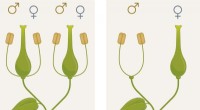
* Male reproductive system: Includes testes, penis, and accessory organs involved in producing sperm.
* Female reproductive system: Includes ovaries, uterus, fallopian tubes, and vagina, involved in producing eggs and supporting pregnancy.
Other Important Parts
* Skin: The largest organ in the body, protecting the body from the environment.
* Hair: Provides insulation and protection.
* Nails: Protect the ends of fingers and toes.
* Eyes: Organs of sight.
* Ears: Organs of hearing and balance.
* Nose: The organ of smell.
* Tongue: Helps with taste and chewing.
Important Notes:
* This is a simplified overview. Each system has many more complex parts.
* There is overlap between systems. For example, the circulatory system works closely with the respiratory and digestive systems.
I encourage you to explore these systems further! You can find plenty of resources online and in libraries.