Our bodies are incredibly complex, and the foundation of that complexity lies in the diverse array of specialized cells. These cells have evolved to perform specific functions, allowing our bodies to carry out the myriad tasks necessary for life.
Here's a glimpse at some of the specialized cells and their functions:
Nervous System:
* Neurons: These are the workhorses of the nervous system, responsible for transmitting electrical signals throughout the body. They are crucial for communication, thought, movement, and sensation.
* Glial cells: These cells support neurons, providing nourishment, insulation, and protection. They also play a role in learning and memory.
Muscle System:
* Muscle fibers: These cells are responsible for contraction, allowing for movement. There are three types: skeletal muscle fibers (for voluntary movement), smooth muscle fibers (for involuntary movement in organs), and cardiac muscle fibers (for heart contractions).
Circulatory System:
* Red blood cells: These cells carry oxygen throughout the body, vital for cellular respiration.
* White blood cells: These cells are part of the immune system, defending the body against infections and foreign invaders.
* Platelets: These cell fragments help in blood clotting, preventing excessive bleeding.
Digestive System:
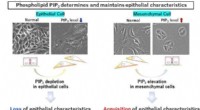
* Epithelial cells: These cells line the digestive tract, protecting it from damage and facilitating absorption of nutrients.
* Goblet cells: These specialized cells produce mucus, which lubricates the digestive tract and protects it from friction.
* Pancreatic cells: These cells secrete enzymes that aid in digestion, breaking down food into usable molecules.
Respiratory System:
* Alveolar cells: These cells form the thin walls of the alveoli, where gas exchange occurs.
* Ciliated cells: These cells line the airways, sweeping mucus and foreign particles out of the lungs.
Endocrine System:
* Hormone-secreting cells: These cells produce and release hormones, chemical messengers that regulate various bodily functions.
* Neurosecretory cells: These cells are found in the brain and release hormones into the bloodstream.
Reproductive System:
* Sperm cells: These cells are specialized for fertilization, carrying genetic material from the male.
* Egg cells: These cells contain the female's genetic material and are capable of being fertilized by sperm.
Other Specialized Cells:
* Skin cells: These cells form the outer layer of our skin, protecting us from the environment.
* Bone cells: These cells build and maintain bone tissue, providing support and protection.
* Hair cells: These cells are located in the inner ear and are responsible for hearing.
* Photoreceptor cells: These cells are found in the eyes and detect light, allowing us to see.
This is just a small sampling of the vast diversity of specialized cells in the human body. Each cell type has its unique structure and function, working together in a symphony of coordination to maintain life.