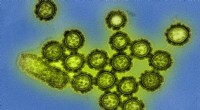
1. Spores:
* Inhalation: Many fungal spores are airborne and can be inhaled into the lungs, causing respiratory infections.
* Skin Contact: Spores can land on skin and cause skin infections, especially if there are cuts or abrasions.
* Ingestion: Some fungi can be ingested in contaminated food or water, leading to gastrointestinal infections.
2. Direct Contact:
* Skin-to-skin contact: Some fungal infections, such as ringworm, can be transmitted through direct contact with an infected person or animal.
* Contact with contaminated objects: Touching objects like towels, clothing, or surfaces that have been in contact with an infected person or animal can also spread fungal infections.
3. Animals:
* Animal bites: Some fungi can be transmitted through animal bites or scratches.
* Animal droppings: Certain fungi can grow in animal droppings and spread through contact or inhalation.
4. Environmental Factors:
* Soil: Many fungi live in the soil and can be picked up through contact or inhalation.
* Water: Some fungi can live in water sources and be ingested or come into contact with skin.
* Humidity: High humidity and moisture can create favorable conditions for fungal growth.
Specific Examples:
* Athlete's foot: Spread through direct contact with infected skin, contaminated surfaces, or shared shoes.
* Ringworm: Spread through direct contact with an infected person or animal, or by touching contaminated objects.
* Histoplasmosis: Caused by inhaling spores from contaminated soil, especially bird or bat droppings.
* Blastomycosis: Caused by inhaling spores from decaying wood, especially in areas with moist, decaying wood.
* Aspergillosis: Caused by inhaling spores of the Aspergillus fungus, which can be found in soil, decaying vegetation, and indoor environments.
It's important to note that not all fungi cause disease. Some fungi are beneficial, such as those used in food production and medicine. However, it's important to take precautions to avoid exposure to harmful fungi. This includes:
* Washing hands frequently: Washing hands thoroughly with soap and water helps to remove spores and other microorganisms.
* Avoiding contact with infected individuals: Avoid close contact with people who have fungal infections.
* Keeping areas clean and dry: Keep your home and work areas clean and dry to minimize the growth of fungi.
* Wearing protective gear: If you are working with soil or other materials that may contain fungi, wear gloves and a mask to protect yourself.
* Properly storing and handling food: Store food properly to prevent fungal growth.
* Seeking medical attention: If you suspect you have a fungal infection, see a doctor for diagnosis and treatment.