Present in Plant Cells, Absent in Animal Cells
* Cell Wall: A rigid outer layer made of cellulose that provides structural support and protection.
* Chloroplasts: Organelles responsible for photosynthesis, containing chlorophyll which absorbs light energy.
* Large Central Vacuole: A large, fluid-filled sac that stores water, nutrients, and waste products, and helps maintain cell shape.
* Plasmodesmata: Tiny channels that connect the cytoplasm of adjacent plant cells, allowing for communication and the transport of molecules.
Present in Animal Cells, Absent in Plant Cells
* Lysosomes: Organelles that contain enzymes for breaking down waste materials and cellular debris.
* Centrioles: Small, cylindrical structures involved in cell division.
* Flagella and Cilia: Hair-like structures that aid in movement (present in some animal cells, but not all).
Present in Both Plant and Animal Cells
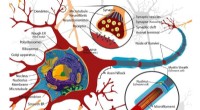
* Plasma Membrane: A thin, flexible outer layer that regulates what enters and exits the cell.
* Cytoplasm: The jelly-like substance that fills the cell, containing organelles and other cellular components.
* Nucleus: The control center of the cell, containing DNA and controlling cellular activities.
* Ribosomes: Organelles responsible for protein synthesis.
* Endoplasmic Reticulum (ER): A network of membranes involved in protein and lipid synthesis.
* Golgi Apparatus: Organelles that process, package, and sort proteins and lipids.
* Mitochondria: Organelles responsible for cellular respiration, the process of converting food into energy.
Key Differences Summarized:
* Plant cells: Have a cell wall, chloroplasts, and a large central vacuole.
* Animal cells: Have lysosomes, centrioles, and may have flagella or cilia.
Let me know if you have any more questions about plant or animal cells!