Biotic factors refer to all the living organisms within an ecosystem. This includes:
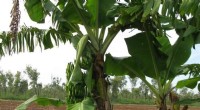
* Plants: Producers that convert sunlight into energy.
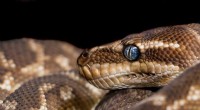
* Animals: Consumers that feed on other organisms.
* Fungi: Decomposers that break down dead organic matter.
* Bacteria: Decomposers and important for nutrient cycling.
* Protists: Diverse group including algae, protozoa, and slime molds.
Abiotic factors are non-living components of an ecosystem. These can include:
* Climate: Temperature, rainfall, humidity, wind patterns.
* Water: Availability and quality.
* Sunlight: Amount of light reaching an ecosystem.
* Soil: Composition, pH, nutrient availability.
* Landforms: Topography, elevation.
The interplay between biotic and abiotic factors shapes the nature of any ecosystem. For example, the amount of sunlight available influences plant growth, which in turn affects the population of herbivores in the ecosystem.
Here is a table summarizing the key differences between biotic and abiotic factors:
| Feature | Biotic Factors | Abiotic Factors |
|---|---|---|
| Definition | Living organisms within an ecosystem | Non-living components of an ecosystem |
| Examples | Plants, animals, fungi, bacteria | Climate, water, sunlight, soil, landforms |
| Influence | Affect each other and the abiotic environment | Affect the biotic environment and each other |
| Role | Producers, consumers, decomposers | Determine the characteristics of the ecosystem |
Understanding both biotic and abiotic factors is crucial for comprehending how ecosystems function and how human activities can impact them.