Simple:
* Bacteria: Single-celled microorganisms found everywhere.
* Algae: Simple aquatic organisms that photosynthesize.
* Fungi: Organisms that decompose organic matter, like mushrooms and molds.
Complex:
* Plants: Multi-cellular organisms that photosynthesize. Examples include trees, flowers, and ferns.
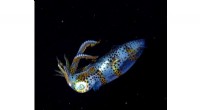
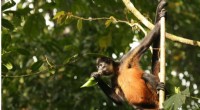
* Animals: Multi-cellular organisms that obtain energy by consuming other organisms. Examples include humans, dogs, birds, and fish.
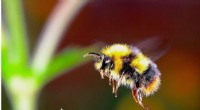
* Insects: A diverse group of animals with a hard exoskeleton. Examples include ants, butterflies, and beetles.
Other:
* Viruses: Technically not considered living organisms, but they are biological entities that can replicate within a host cell.
* Protists: A diverse group of single-celled eukaryotic organisms. Examples include amoebas and paramecia.
Key Features of an Organism:
* Made of cells: All living organisms are composed of one or more cells.
* Respond to stimuli: Organisms react to changes in their environment.
* Grow and develop: Organisms increase in size and complexity over time.
* Reproduce: Organisms create new organisms of the same kind.
* Maintain homeostasis: Organisms regulate their internal environment.
* Adapt to their environment: Organisms evolve over time to survive in their surroundings.

![Unveiling Structure and Conductive Properties of Novel Graphene-Like Tetraoxa[8]Circulene Polymers](https://www.scienceaq.com/article/uploadfiles/202110/2021102323340116_S.jpg)