Here's why:
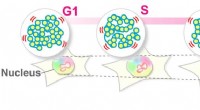
* Endocytosis is a cellular process where the cell membrane engulfs material from the outside and brings it into the cell. There are several types of endocytosis, but the most relevant here are:
* Phagocytosis: This is the engulfment of large particles, such as bacteria or debris.
* Pinocytosis: This is the engulfment of fluids and small particles, often through small vesicles.
* Nonspecifically: This means the cell doesn't have a specific receptor for the particulate matter. It's essentially taken in because it's physically present and the cell can engulf it.
How it works:
1. The particulate matter encounters the cell membrane.
2. The membrane folds inward, creating a pocket around the particle.
3. The pocket pinches off, forming a vesicle containing the particulate matter inside the cell.
Important Note: While endocytosis is the primary mechanism for nonspecific uptake of particulate matter, it can also be harmful. Particulate matter, especially fine particles, can cause damage to cells and contribute to various health issues.