Biology is the scientific study of life and living organisms, including their structure, function, growth, evolution, and interactions with each other and their environment. It's a vast and complex field that encompasses everything from the smallest bacteria to the largest whales, from the intricate workings of a single cell to the intricate dynamics of entire ecosystems.
Major Divisions of Biology:
Biology is typically divided into several major branches, each focusing on a specific aspect of life:
1. Molecular Biology: This branch focuses on the molecular basis of life, including the structure and function of molecules such as DNA, RNA, and proteins. It explores how these molecules interact within cells and how they contribute to the fundamental processes of life.
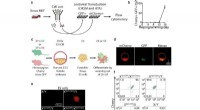
2. Cellular Biology: This branch studies the structure, function, and behavior of cells, the basic building blocks of all living organisms. It investigates how cells grow, divide, communicate, and respond to their environment.
3. Genetics: This branch explores the mechanisms of heredity, including how traits are passed from parents to offspring. It studies the structure and function of genes and how they contribute to the diversity and evolution of life.
4. Evolution: This branch investigates the history and processes of life on Earth, including how species change over time. It explores the mechanisms of natural selection, genetic drift, and other evolutionary forces that shape the diversity of life.
5. Ecology: This branch studies the interactions of organisms with each other and their environment. It investigates how populations, communities, and ecosystems function and how they are influenced by factors such as climate, resources, and human activities.
6. Physiology: This branch investigates the functioning of living organisms and their organs. It explores how different organ systems work together to maintain life, including processes like respiration, digestion, and circulation.
7. Anatomy: This branch studies the structure of organisms, including their organs, tissues, and cells. It uses various techniques to visualize and understand the physical organization of living things.
8. Botany: This branch focuses on the study of plants, including their structure, function, evolution, and interactions with their environment.
9. Zoology: This branch focuses on the study of animals, including their structure, function, evolution, and interactions with their environment.
Interconnectedness:
These branches of biology are not isolated but rather interconnected and interdependent. For example, understanding the molecular basis of life is essential for comprehending how cells function, and understanding how cells work is crucial for understanding the functioning of organs and organ systems.
The study of biology is constantly evolving as new technologies and discoveries emerge. It is a dynamic field that continues to reveal new insights into the wonders and complexities of life.