1. Protein Synthesis:
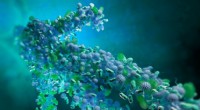
- Ribosomes, the protein factories of the cell, are located within the cytoplasm. They use messenger RNA (mRNA) as a template to assemble amino acids into proteins.
2. Cellular Respiration:
- Glycolysis, the first step of cellular respiration, occurs in the cytoplasm. It breaks down glucose into pyruvate, producing a small amount of ATP (energy) and NADH (electron carrier).
3. Cell Signaling:
- The cytoplasm is the site of many intracellular signaling pathways. These pathways involve the interaction of various proteins and molecules, transmitting information throughout the cell.
4. Organelle Function:
- The cytoplasm provides a medium for the movement and interaction of organelles like mitochondria, lysosomes, and the endoplasmic reticulum.
5. Transport:
- The cytoplasm acts as a transport medium for various molecules like nutrients, waste products, and proteins. This movement can occur through diffusion, active transport, or with the help of motor proteins.
6. Cell Division:
- During cell division (mitosis and meiosis), the cytoplasm divides into two daughter cells. This process involves the rearrangement of cytoskeletal elements and the distribution of organelles.
7. Cytoskeletal Activity:
- The cytoskeleton, a network of protein fibers within the cytoplasm, provides structural support, allows for cell movement, and facilitates organelle transport.
8. Storage:
- The cytoplasm can store various nutrients, enzymes, and other cellular components.
9. Enzyme Reactions:
- The cytoplasm provides a suitable environment for numerous enzymatic reactions essential for cell function.
10. Cell Motility:
- In some cells, the cytoplasm plays a role in movement, like the amoeboid movement of certain single-celled organisms.
These are just some of the many processes that take place within the cytoplasm. It's a dynamic and essential part of the cell, contributing to its overall function and survival.