Symbiosis is a close and often long-term interaction between two different biological species. This interaction can be beneficial, harmful, or neutral for either organism involved.
Here's a breakdown of the scientific definition:
Key Features:
* Close and Long-Term: Symbiosis implies a sustained relationship between the species, unlike fleeting interactions like predation.
* Interdependence: The species involved in a symbiotic relationship often rely on each other for survival, resources, or protection.
* Different Species: The definition emphasizes the interaction between distinct species, not individuals of the same species.
Types of Symbiotic Relationships:
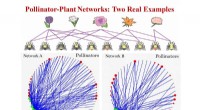
* Mutualism: Both organisms benefit from the interaction. Example: Bees pollinating flowers, receiving nectar in return.
* Commensalism: One organism benefits, while the other is neither harmed nor helped. Example: Barnacles attaching to whales for transportation.
* Parasitism: One organism (the parasite) benefits at the expense of the other (the host). Example: Fleas feeding on the blood of dogs.
Important Considerations:
* Obligate vs. Facultative: Some symbiotic relationships are obligate, meaning the organisms are completely dependent on each other for survival. Others are facultative, where the relationship is beneficial but not essential.
* Evolutionary Impact: Symbiosis plays a crucial role in evolution, driving adaptation and diversification among species.
In summary: A symbiotic relationship is a complex and dynamic interaction between two different species, with a range of potential outcomes for each participant. Understanding symbiosis provides valuable insights into the intricate web of life and its evolutionary processes.