Bacteria:
* Decomposers: These bacteria break down dead organic matter, like leaves, wood, and animal carcasses, into simpler substances. This process releases nutrients back into the environment, making them available for other organisms.
* Oil-degrading bacteria: Certain bacteria can break down hydrocarbons found in oil spills, helping to clean up environmental disasters.
* Plastic-degrading bacteria: Some bacteria can digest certain types of plastics, offering a potential solution to plastic pollution.
Fungi:
* Saprotrophic fungi: These fungi, like mushrooms, play a crucial role in breaking down dead plant matter, wood, and other organic materials. They release enzymes that break down complex molecules, making them available for other organisms.
* Mycorrhizal fungi: These fungi form symbiotic relationships with plants, helping them absorb nutrients from the soil. In return, the fungi receive carbohydrates from the plants.
Other organisms:
* Earthworms: Earthworms are essential for soil health. They consume and break down organic matter, improving soil aeration and drainage.
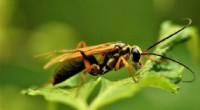
* Insects: Many insects, like termites and beetles, decompose wood and other organic materials.
* Algae and aquatic plants: These organisms can break down organic matter in aquatic environments, playing a key role in nutrient cycling.
It's important to note that biodegradation is a complex process involving a variety of organisms, not just one type. The specific organisms involved vary depending on the environment and the substance being degraded.
Here are some examples of specific situations where biodegradation is crucial:
* Wastewater treatment: Bacteria break down organic matter in wastewater, reducing pollution and making the water safe for reuse.
* Composting: Bacteria and fungi decompose organic waste, producing compost that can be used to enrich soil.
* Bioremediation: Microorganisms are used to clean up contaminated soil and water, breaking down pollutants like oil, pesticides, and heavy metals.
Biodegradation is a vital process for maintaining the balance of ecosystems. It plays a crucial role in nutrient cycling, cleaning up pollutants, and providing a sustainable way to dispose of waste.