Here's a breakdown:
* Interphase: This is the longest stage of the cell cycle, where the cell grows, carries out its normal functions, and duplicates its DNA in preparation for division. It's subdivided into three phases:
* G1 (Gap 1): The cell grows and carries out its normal metabolic activities.
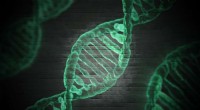
* S (Synthesis): DNA replication occurs, creating two identical copies of the genome.
* G2 (Gap 2): The cell continues to grow and prepares for mitosis or meiosis.
* M (Mitotic) Phase: This is the stage where cell division actually occurs. It includes:
* Mitosis: Nuclear division, resulting in two identical daughter cells.
* Cytokinesis: Division of the cytoplasm, completing the formation of two separate cells.
So, while the M phase is crucial for producing new cells, interphase is the period of growth and preparation that precedes and supports division.