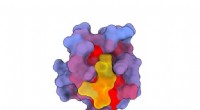
1. Reading the Template: DNA polymerase uses one strand of DNA (the template strand) as a guide to create a new complementary strand. It reads the sequence of nucleotides in the template strand and adds corresponding nucleotides to the new strand.
2. Adding Nucleotides: DNA polymerase adds nucleotides to the new strand in a specific order, following the base pairing rules:
* Adenine (A) pairs with Thymine (T)
* Guanine (G) pairs with Cytosine (C)
3. Proofreading: DNA polymerase has a built-in proofreading mechanism. As it adds nucleotides, it checks for errors in base pairing. If it detects an error, it can remove the incorrect nucleotide and replace it with the correct one. This proofreading activity ensures high fidelity during DNA replication.
4. Types of DNA Polymerases: There are different types of DNA polymerases in cells, each with specific functions:
* DNA Polymerase I is involved in removing RNA primers and filling in the gaps between Okazaki fragments during lagging strand synthesis.
* DNA Polymerase II and DNA Polymerase III are primarily involved in replicating the leading and lagging strands of DNA.
5. Essential for Cell Growth and Repair: DNA replication is fundamental for cell growth, development, and repair. DNA polymerase ensures accurate duplication of the genetic material, allowing for the transmission of genetic information from one generation to the next.
In summary, DNA polymerase is the key enzyme responsible for constructing new DNA strands during replication, ensuring accuracy and fidelity through its proofreading ability.