Essential Life Processes:
* Metabolism: Cells carry out all the chemical reactions necessary for life, including breaking down nutrients for energy (catabolism) and building complex molecules (anabolism).
* Growth: Cells increase in size and complexity, ultimately dividing to produce more cells.
* Reproduction: Cells reproduce through cell division (mitosis or meiosis), creating new cells that can carry out the functions of life.
* Response to Stimuli: Cells can sense and respond to changes in their environment, such as temperature, light, or chemical signals.
* Homeostasis: Cells maintain a stable internal environment, regulating things like pH, temperature, and nutrient levels.
Key Cellular Components and their Functions:
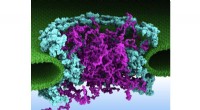
* Plasma membrane: This outer boundary acts as a selective barrier, controlling what enters and exits the cell.
* Cytoplasm: The jelly-like substance inside the cell where many chemical reactions occur.
* DNA (Deoxyribonucleic Acid): Carries the genetic instructions for building and maintaining the cell, and passing these instructions on to new cells.
* Ribosomes: Tiny structures that synthesize proteins according to the instructions from DNA.
* Mitochondria: Powerhouses of the cell, responsible for producing energy through cellular respiration.
* Endoplasmic Reticulum (ER): A network of membranes involved in protein synthesis, lipid synthesis, and detoxification.
* Golgi apparatus: Processes and packages proteins and lipids for transport within the cell or secretion outside the cell.
* Lysosomes: Contain enzymes for breaking down waste materials and cellular debris.
Organization into Tissues, Organs, and Systems:
* Cells don't operate in isolation. Similar cells work together to form tissues, which then assemble into organs. Organs work in concert to create organ systems, and these systems ultimately contribute to the functioning of the whole organism.
Key Points:
* Cells are the smallest unit that can perform all the essential functions of life.
* Each cell contains a complete set of DNA, enabling it to replicate and pass on its genetic information.
* Cells are highly organized and complex, with specialized structures (organelles) that carry out specific functions.
* The interaction and cooperation between cells is fundamental for the survival and functioning of all living organisms.
Understanding how cells function is crucial in many fields, including medicine, biotechnology, and environmental science. By understanding the fundamental processes of life at the cellular level, we can better understand the complexities of living organisms and address challenges facing our world.