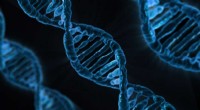
* Contains the genetic code: DNA holds the instructions for building and maintaining an organism. These instructions are encoded in the sequence of its nucleotides.
* Directs protein synthesis: Genes within DNA provide the blueprint for creating proteins. Proteins are the workhorses of the cell, carrying out a vast array of functions essential for metabolism, such as:
* Enzymes: Catalyze biochemical reactions.
* Structural components: Provide shape and support to cells and tissues.
* Hormones: Regulate various bodily processes.
* Transport proteins: Move molecules across cell membranes.
* Antibodies: Defend against pathogens.
* Ensures inheritance: DNA replicates itself before cell division, ensuring that each daughter cell receives a complete set of genetic instructions. This enables the continuity of life and the transmission of traits from one generation to the next.
In summary: DNA is the central repository of genetic information that directs the synthesis of proteins, which are essential for all cellular metabolic activities. Without DNA, cells could not function, grow, or reproduce.