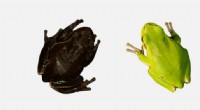
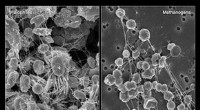
* Resource Competition: Both species will compete for the same limited resources like food, water, shelter, and mates.
* One Species Outcompetes: One species will generally have an advantage, either due to slightly better adaptations, greater reproductive success, or other factors.
* Exclusion: The superior competitor will eventually outcompete the other species, leading to the exclusion of the less successful species from the niche.
However, it's important to note that in reality, this is rarely a clean-cut process:
* Niche Differentiation: Species often evolve to slightly modify their niche, reducing direct competition. This can happen through changes in diet, habitat use, or activity times.
* Coexistence: Some species can coexist through resource partitioning, meaning they use the same resources but in different ways (e.g., one species eats large seeds, while the other eats small seeds).
* Dynamic Interactions: Competition can be dynamic, with fluctuating populations and changing environmental conditions impacting the outcome.
Examples of Competitive Exclusion:
* Introduced Species: When a non-native species is introduced to an area and occupies the same niche as a native species, it can lead to the native species' decline.
* Island Ecology: Islands often have limited resources, making competitive exclusion more likely.
Understanding competitive exclusion is crucial for:
* Conservation Biology: It helps us understand how habitat fragmentation and invasive species can threaten native species.
* Species Management: It informs decisions about managing species interactions and ensuring biodiversity.
* Understanding Evolution: Competitive pressure can drive evolution by favoring individuals with slightly better adaptations.