However, here are 6 categories of data commonly used:
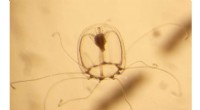
1. Morphological Data: This includes physical characteristics like body shape, size, color, number of limbs, and internal structures. It's the most traditional method of classification, but can be misleading due to convergent evolution (organisms developing similar traits independently).
2. Genetic Data: This focuses on DNA and RNA sequences, providing insights into evolutionary relationships and genetic relatedness. It's increasingly used to refine classifications and identify new species.
3. Developmental Data: This involves studying how organisms develop from embryos to adults. Similarities in developmental stages can indicate close evolutionary relationships.
4. Behavioral Data: This includes observing and analyzing an organism's actions, such as mating rituals, foraging strategies, and social interactions. This data can help differentiate species and understand ecological roles.
5. Fossil Data: This involves examining preserved remains of organisms from the past. Fossils provide a historical perspective on evolution and relationships between extinct and living species.
6. Ecological Data: This looks at an organism's role in its environment, including its habitat, food sources, and interactions with other species. Ecological niches can help differentiate species and understand their evolutionary history.
It's important to remember that these categories often overlap, and classification relies on analyzing a combination of data to determine the most accurate and comprehensive understanding of an organism's relationships.