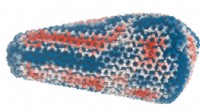
Proteomics:
* Focus: The study of the entire set of proteins (proteome) produced by an organism or system.
* Scope: Identifies, quantifies, and characterizes proteins, analyzes their interactions, and explores how they are modified and regulated.
* Techniques: Uses a wide range of techniques like mass spectrometry, protein microarrays, and protein-protein interaction assays.
* Data generated: Protein sequences, protein abundance, protein-protein interaction data, and post-translational modifications.
Bioinformatics:
* Focus: The development and application of computational tools and methods to analyze biological data.
* Scope: Deals with vast amounts of biological data, including genomic sequences, protein structures, gene expression, and metabolic pathways.
* Techniques: Employs algorithms, statistical models, databases, and visualization tools to analyze, interpret, and integrate biological data.
* Data generated: Predictions about gene function, protein structure, disease associations, and evolutionary relationships.
In simple terms:
* Proteomics is like a chemist studying the molecules in a cell. It focuses on the "what" (identifying the proteins) and the "how" (understanding their functions).
* Bioinformatics is like a programmer building tools to analyze the information about those molecules. It focuses on the "how to process" and "interpret" the data.
Relationship between Proteomics and Bioinformatics:
Proteomics generates a massive amount of data that requires sophisticated bioinformatics tools for analysis and interpretation. Bioinformatics is essential for:
* Identifying proteins: Using databases and algorithms to match protein sequences from mass spectrometry data.
* Quantifying protein abundance: Developing statistical methods to analyze and compare protein levels across different conditions.
* Predicting protein function: Using homology modeling, protein-protein interaction networks, and other bioinformatics tools to infer the role of proteins.
* Analyzing protein-protein interactions: Applying network analysis and other computational methods to study the complex interplay between proteins.
In summary: Proteomics is the experimental side of protein research, while bioinformatics provides the computational framework for understanding and interpreting the vast amounts of data generated. They work together to advance our understanding of biological processes at the molecular level.