1. Protection and Structure:
* It acts as a physical barrier, separating the cell's internal environment (cytoplasm) from the external environment.
* It helps maintain the cell's shape and integrity.
2. Selective Permeability:
* It controls the passage of molecules into and out of the cell.
* This is essential for maintaining the cell's internal environment, including:
* Nutrient uptake: Allowing the entry of essential nutrients like sugars, amino acids, and ions.
* Waste removal: Facilitating the exit of waste products like carbon dioxide and ammonia.
* Maintaining ion concentration gradients: Regulating the flow of ions across the membrane, which is essential for processes like nerve impulses and muscle contraction.
3. Cell Signaling and Communication:
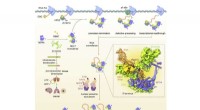
* The cell membrane contains receptors that bind to specific molecules, like hormones or neurotransmitters, triggering specific responses within the cell.
* This allows cells to communicate with each other and respond to their environment.
4. Cell Recognition and Adhesion:
* The cell membrane contains molecules like glycoproteins and glycolipids, which act as markers, allowing cells to identify and interact with each other.
* These interactions are essential for processes like tissue formation and immune responses.
5. Compartmentalization:
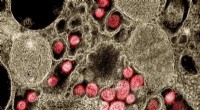
* In eukaryotic cells, the cell membrane encloses the entire cell, while internal membranes create compartments within the cell, like organelles. This compartmentalization allows for specific functions to occur in separate areas within the cell.
In essence, the cell membrane acts as the "gatekeeper" of the cell, controlling what goes in and out, enabling communication, and maintaining the cell's internal environment. This is essential for the survival and proper functioning of all cells.