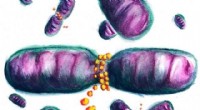
Bacteria: These are prokaryotes, meaning they lack a nucleus and other membrane-bound organelles. They are incredibly diverse and abundant.
Archaea: Similar to bacteria in size and shape, archaea are also prokaryotes, but they are genetically distinct. They often live in extreme environments like hot springs or salty lakes.
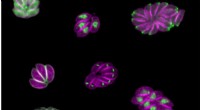
Protists: This is a diverse group of single-celled eukaryotes (they have a nucleus). Examples include amoebas, diatoms, and algae.
Yeasts: These are single-celled fungi that reproduce by budding. They are used in baking and brewing.
Viruses: While they are not considered to be alive, viruses are tiny infectious agents that require a host cell to replicate. They are not composed of cells.
Prions: These are infectious proteins that can cause diseases like mad cow disease. They are not cellular entities.
Key Points to Remember:
* Multicellular organisms are made up of many cells that work together to form tissues, organs, and organ systems.
* Single-celled organisms are independent and carry out all their life functions within a single cell.
Let me know if you would like more information on any of these!