1. Evolutionary Biology:
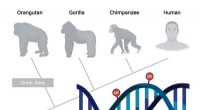
* Tracing evolutionary relationships: By comparing genomes, we can reconstruct the evolutionary history of species and understand how they are related to each other. This helps us build the tree of life and understand the processes of speciation and adaptation.
* Identifying conserved regions: Comparing genomes can identify regions that have remained relatively unchanged over long periods, suggesting they are essential for survival. This can help us understand the fundamental processes of life.
* Understanding adaptation: Comparing genomes of organisms adapted to different environments can reveal the genetic basis of adaptations. This can help us understand how species cope with environmental changes.
2. Functional Genomics:
* Predicting gene function: Comparing genomes can help identify genes that are likely to have similar functions in different organisms. This can be used to predict the function of unknown genes.
* Identifying regulatory elements: Comparing genomes can reveal conserved regulatory elements, such as promoters and enhancers, which control gene expression. This can help us understand how genes are regulated and how this regulation contributes to different phenotypes.
* Understanding disease mechanisms: Comparing the genomes of healthy and diseased individuals can identify genetic variations associated with disease. This can help us develop new diagnostic tools and therapies.
3. Biotechnology and Medicine:
* Developing new drugs: Comparing genomes can help identify potential drug targets and pathways. This information can be used to develop new therapies for diseases.
* Improving crop yields: Comparing genomes can identify genes that control traits such as yield, disease resistance, and stress tolerance. This information can be used to develop improved crops.
* Personalizing medicine: Comparing individual genomes can identify genetic variations that affect drug response and disease risk. This information can be used to tailor treatments to individual patients.
* Forensic Science: Comparing genomes can be used for forensic analysis, such as identifying individuals from DNA samples.
4. Other Applications:
* Environmental monitoring: Comparing genomes can be used to identify and monitor the spread of invasive species and pathogens.
* Bioremediation: Comparing genomes can help identify organisms that are capable of breaking down pollutants and cleaning up contaminated environments.
* Agriculture: Comparing genomes can help identify genes that control traits such as yield, disease resistance, and stress tolerance in crops and livestock.
Overall, comparative genomics is a powerful tool with a wide range of applications across various fields. Its ability to reveal evolutionary history, predict gene function, and understand disease mechanisms makes it a crucial tool for advancing our understanding of biology and for developing innovative solutions to global challenges.