1. Ecological Succession:
* Definition: A gradual process of change in the species structure of an ecological community over time. It involves the replacement of one community by another until a relatively stable "climax" community is reached.
* Example: A bare rock gradually becoming colonized by lichens, then mosses, then grasses, eventually leading to a forest ecosystem.
2. Succession in Genetics:
* Definition: The orderly transmission of genetic material from one generation to the next.
* Example: The transfer of DNA from a parent to their offspring, leading to the inheritance of traits.
3. Succession in Geology:
* Definition: The sequence of rock formations, usually laid down in chronological order, that reflects Earth's geological history.
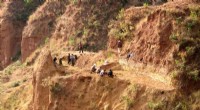
* Example: The layers of rock strata found in canyons and mountains, indicating the different geological events and periods that shaped the area.
4. Succession in Business:
* Definition: The planned transfer of leadership or ownership within a company, often from one generation to the next.
* Example: A family-owned business passing its operations to the next generation of family members.
In general, succession refers to a process of change over time, where one thing replaces another, often in a predictable sequence. The specific meaning will depend on the scientific context in which the term is used.