Bacteria (Domain Bacteria):
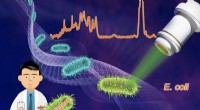
* Escherichia coli (E. coli): A common bacterium found in the intestines of humans and animals.
* Staphylococcus aureus: A bacterium that can cause skin infections, pneumonia, and food poisoning.
* Cyanobacteria (Blue-green algae): Photosynthetic bacteria that play a vital role in oxygen production.
* Streptococcus pneumoniae: A bacterium that can cause pneumonia, meningitis, and ear infections.
Archaea (Domain Archaea):
* Methanogens: Archaea that produce methane as a byproduct of their metabolism.
* Halophiles: Archaea that thrive in extremely salty environments.
* Thermophiles: Archaea that live in extremely hot environments, such as hot springs.
Eukarya (Domain Eukarya):
* Protozoa: A diverse group of single-celled eukaryotic organisms, including:
* Amoeba: A type of protozoan that moves using pseudopods.
* Paramecium: A protozoan with cilia (hair-like structures) for movement.
* Euglena: A protozoan that can both photosynthesize and consume food.
* Yeast: Single-celled fungi that are used in baking, brewing, and biofuel production.
* Algae (except for seaweed): Single-celled eukaryotic algae, such as diatoms and dinoflagellates, play a significant role in aquatic ecosystems.
Note: This is just a small sampling of the vast diversity of unicellular organisms. There are many other fascinating examples out there!