1. Energy Storage and Transfer:
* ATP stores chemical energy in its phosphate bonds. When these bonds are broken (hydrolyzed), energy is released, which can be used to drive other reactions.
* ATP acts as a molecular "middleman," transferring energy from energy-releasing reactions (like the breakdown of glucose) to energy-requiring reactions (like muscle contraction, protein synthesis, and active transport).
2. Driving Chemical Reactions:
* Many biochemical reactions require energy to occur. ATP provides this energy by coupling its hydrolysis (breaking the phosphate bonds) with the reaction.
* This coupling makes otherwise unfavorable reactions possible. For example, ATP hydrolysis fuels the synthesis of complex molecules like proteins and nucleic acids.
3. Facilitating Active Transport:
* Cells use ATP to move molecules across their membranes against concentration gradients (from areas of low concentration to high concentration). This is essential for maintaining cell function, such as nutrient uptake and waste removal.
4. Muscle Contraction:
* Muscle contraction relies on ATP to power the sliding of protein filaments (actin and myosin). Without ATP, muscles would be unable to contract, leading to paralysis.
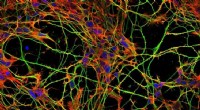
5. Nerve Impulse Transmission:
* ATP is crucial for nerve impulse transmission. It is used to maintain the sodium-potassium pump, which creates the electrochemical gradient necessary for nerve signal propagation.
In summary, ATP is essential for life because it provides the energy needed to drive countless cellular processes. Without it, cells could not perform the vital functions necessary for survival.