Lentic (still waters)
* Lakes: Large bodies of water with a deep basin, often stratified by temperature. Examples: Lake Superior, Lake Victoria.
* Ponds: Smaller and shallower than lakes, often with emergent vegetation. Examples: Backyard pond, seasonal rain puddle.
* Marshes: Shallow wetlands dominated by grasses and reeds, often with fluctuating water levels. Examples: Everglades, Okavango Delta.
* Swamps: Wetlands dominated by trees and shrubs, often with standing water. Examples: Okefenokee Swamp, Atchafalaya Basin.
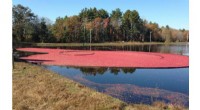
* Bogs: Acidic wetlands with peat accumulation and sphagnum moss. Examples: Great Dismal Swamp, Cranberry bogs of the northeast US.
Lotic (flowing waters)
* Rivers: Large, flowing bodies of water that usually have a source in a mountainous area. Examples: Amazon River, Mississippi River.
* Streams: Smaller, flowing bodies of water that often originate from springs or melting snow. Examples: Creek, brook, rivulet.
* Springs: Natural sources of freshwater that emerge from the ground. Examples: Artesian springs, hot springs.
Other freshwater habitats
* Wetlands: Areas that are seasonally or permanently saturated with water. Examples: Saltmarsh, mangrove swamp, prairie pothole.
* Estuaries: Semi-enclosed bodies of water where freshwater mixes with saltwater. Examples: Chesapeake Bay, San Francisco Bay.
Examples with specific locations
* Lake Baikal, Siberia: The deepest lake in the world, famous for its unique biodiversity.
* The Amazon River Basin, South America: The world's largest river basin, with immense biodiversity.
* The Great Lakes, North America: A group of five large freshwater lakes that form a significant ecosystem.
* The Everglades, Florida: A subtropical wetland with unique flora and fauna.
* The Okavango Delta, Botswana: A vast inland delta with unique plant and animal life.
These are just a few examples of the many different types of freshwater biomes found around the world. Each biome has its own unique set of characteristics and is home to a variety of plants and animals adapted to its specific conditions.