Organization and Understanding:
* Makes sense of biodiversity: The Earth is home to millions of species. Classification helps us organize this vast diversity into manageable groups.
* Facilitates communication: A shared system of classification ensures scientists around the world are talking about the same organisms using the same names.
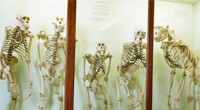
* Reveals evolutionary relationships: Classifying organisms based on shared characteristics helps us understand how species have evolved over time. This information is valuable for understanding the history of life and the relationships between different groups.
Practical Applications:
* Identification and research: Classification allows us to identify unknown organisms, which is crucial for research, conservation, and disease control.
* Resource management: Understanding the diversity of organisms in an ecosystem is vital for managing resources, like forests and fisheries.
* Medicine and agriculture: Classifying microorganisms helps us understand disease transmission and develop new treatments and pest control methods.
* Conservation efforts: By classifying species, we can identify those that are endangered and prioritize conservation efforts.
Educational Value:
* Understanding the interconnectedness of life: Classification helps us appreciate the interconnectedness of all living things and how they are all part of a larger web of life.
* Developing critical thinking skills: The process of classification requires students to observe, analyze, and compare different organisms, which enhances their critical thinking skills.
In summary, classification is a fundamental tool that helps us organize, understand, and utilize the vast diversity of life on Earth. It plays a crucial role in scientific research, practical applications, and education.