1. Information Storage:
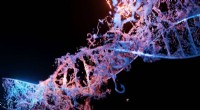
* Double Helix: DNA's iconic double helix structure is like a twisted ladder, with two strands of nucleotides (Adenine, Thymine, Guanine, Cytosine) held together by hydrogen bonds. The order of these nucleotides (A, T, G, C) forms a genetic code.
* Sequence Variation: The sequence of these nucleotides can vary tremendously, and this variation forms the basis of genetic diversity. Think of it like a language with only four letters (A, T, G, C), but the order of these letters creates an enormous number of possible "words" or genetic instructions.
* Information Density: DNA can store an incredible amount of information in a compact form. Think of it like a highly compressed file that can hold a vast amount of data in a small space.
2. Replication and Heredity:
* Semi-Conservative Replication: DNA replicates itself with remarkable accuracy. Each strand acts as a template for a new strand, ensuring that the genetic information is passed down faithfully from generation to generation.
* Mutations: While replication is accurate, occasional errors (mutations) can occur. These mutations introduce new variations in the genetic code, fueling evolution.
* Heritability: Mutations are passed on to offspring, allowing for the accumulation of genetic changes over generations.
3. Expression and Function:
* Transcription: DNA's genetic code is transcribed into messenger RNA (mRNA), which carries the information to ribosomes.
* Translation: Ribosomes use mRNA to translate the genetic code into proteins. Proteins are the building blocks of cells and perform a vast array of functions, from catalyzing chemical reactions to forming structural components.
* Complexity: The intricate interplay of DNA, RNA, and protein synthesis allows for the creation of incredibly complex organisms.
In Summary:
The structure of DNA allows for:
* Storing vast amounts of genetic information: This information governs every aspect of an organism's development and function.
* Accurate replication and heredity: DNA's ability to copy itself faithfully ensures that genetic information is passed from generation to generation.
* Mutation and evolution: The occasional errors in replication lead to genetic variation, which fuels natural selection and the evolution of new species.
* Expression and function: The DNA code is translated into proteins, which are the workhorses of cells and drive the diverse functions of life.
The combination of these factors makes DNA the perfect molecule for sustaining the incredible variety of life we see on Earth.