* Biome: A biome is a large-scale, geographically defined area with a distinct climate and a characteristic assemblage of plants and animals. It's a broad category. Think of it like a big umbrella term.
* Ecosystem: An ecosystem is a community of interacting organisms (plants, animals, fungi, bacteria, etc.) and their physical environment. It's a specific, localized area.
Think of it like this:
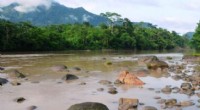
* Biome: The whole forest (e.g., the Amazon rainforest)
* Ecosystem: A specific area within the forest (e.g., a swamp, a clearing, the canopy of a particular tree)
Within a single biome, you'll find many different ecosystems, each with its own unique features and communities of organisms.
For example, in the tropical rainforest biome, you could find these ecosystems:
* Rainforest floor: Dark, humid, with decomposing organic matter and small creatures.
* Understory: Shaded area below the canopy with shrubs and vines.
* Canopy: The high, dense layer of trees with a rich diversity of birds, insects, and mammals.
* Emergent layer: The tallest trees that rise above the canopy.
So, to answer your question directly, a biome is essentially a collection of many different ecosystems.